It began with an emphasis on the now ubiquitous reusable tote bag. Then it was the carbon calculator and offset credits to purchase. Somewhere along the way sustainability stopped being a niche consideration and actually claimed a place in the travel conversation.
Though not every traveller is interested in overhauling their approach to travel (nor has the funds do), sustainable travel trends in 2026 that are worth paying attention to, aren’t about perfection.
They’re about embracing slow travel by making smaller but better choices, more often, to better the chances they stick.
Here's where those choices are showing up in trends.
What is slow travel?
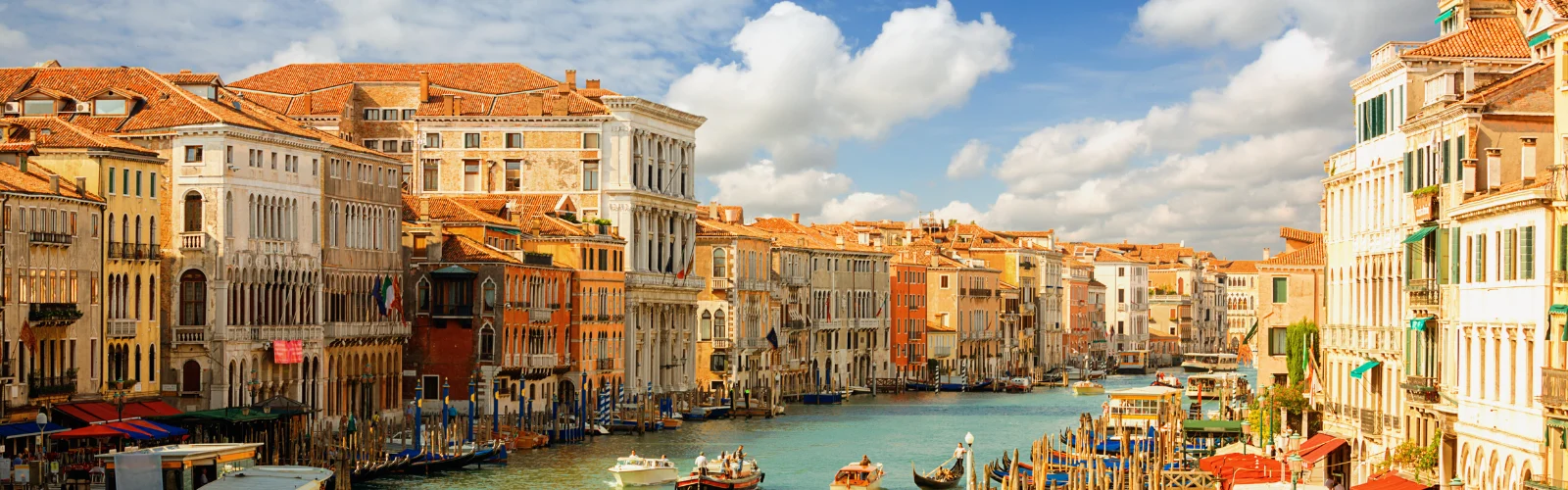
Exactly what it sounds like (and somehow also more), slow travel is about spending more time in fewer places. It’s about spending a week in one city rather than trying to cram in multiple cities day after day.
Maybe it’s renting an apartment for a month and not wasting resources at hotels. It could include actually planting yourself and getting to truly experience a destination over racing through a checklist of attractions before hopping your next flight.
For some travellers, the appeal is obvious. If you slow down enough to live as the locals do, eat in their neighbourhoods, wander their streets, and generally avoid anything overly touristy, the travel experience changes (for the better, typically).
The sustainability aspect follows organically: longer stays and a cleaner engagement with the local economy. Slow travel fosters a smaller carbon footprint, naturally.
This type of travel tends to make for an enjoyable trip, which is likely why it’s one of the sustainable travel trends in 2026 that’s gaining the most traction.
Trains top sustainable travel trends of 2026
There’s hardly a debate when it comes to travelling short distances: if you can get there by train in under six hours, do it.
The benefits are easy to see at a glance. Lower emissions, skipping airport hassles, and arriving at a train station in the heart of the city instead of 45 minutes away.
Regions like Europe, South America, and countries like Japan and Morocco all boast robust rail networks that make train travel exceptionally easy.
On the other hand, flying tends to be unavoidable for lengthier trips. The good news is that planes are more fuel efficient than they have been in the past (though they’re by no means “low emission”).
If you are travelling a long distance, consider extended stays to make the most of your travel.
Others might consider carbon offset programs, which can help lighten impact but not all are reputable so it’s worth doing a bit of research before assuaging your travel guilt.
The easiest and honest approach? Take a train when you can and fly when you must.
Mind your money
Though it may be one of the quieter sustainable travel trends of 2026, an awareness of the support you give with how and where you spend your money matters as much as any other travel planning factor. Choosing mindfully isn’t difficult, it just takes a bit of strategy.
Skip major hotel chains and consider booking accommodations through locally owned guesthouses or boutique hotels.
Choose a family-run restaurant for meals and buy your souvenirs from local artisans (and definitely not the airport gift shop).
Not only will the ripples of these choices benefit local communities, they tend to also make for a more interesting and enjoyable holiday.
["PGRpdiBjbGFzcz0iYWxvLWJsb2ctYmFubmVyIGFsby1ibG9nLWJhbm5lci0tdHlwZTEgZ3V0ZW5iZXJnLWJsb2NrIiBkYXRhLWJhbm5lci1pZD0iODEzMzQiPgogICAgICA8ZGl2IGNsYXNzPSJhbG8tYmxvZy1iYW5uZXJfX2xvZ28iPgogICAgICAKCiAgPGltZyBjbGFzcz0iIgogICAgICAgc3JjPSJodHRwczovL2Fsb3NpbS5jb20vd3AtY29udGVudC91cGxvYWRzLzIwMjQvMDUvNjY0Y2RlY2ViYTRjOS1sb2dvLWFsb3NpbS5zdmciCiAgICAgICBhbHQ9IjY2NGNkZWNlYmE0YzktbG9nby1hbG9zaW0iCiAgICAgICB3aWR0aD0iODMyIgogICAgICAgaGVpZ2h0PSIzMDAiCiAgICAgICBmZXRjaHByaW9yaXR5PSJoaWdoIiBsb2FkaW5nPSJlYWdlciIKICA+CgogICAgPC9kaXY+CiAgICA8ZGl2IGNsYXNzPSJhbG8tYmxvZy1iYW5uZXJfX3dyYXBwZXIiPgogICAgPGRpdiBjbGFzcz0iYWxvLWJsb2ctYmFubmVyX19jb250ZW50Ij4KICAgICAgICAgICAgICA8ZGl2IGNsYXNzPSJhbG8tYmxvZy1iYW5uZXJfX3RpdGxlIj48cCBjbGFzcz0ic2stdGV4dC0teC1sYXJnZSI+PHN0cm9uZz48c3BhbiBjbGFzcz0ic2stY29sb3ItYmxhY2siPlRyYXZlbGxpbmcgc29vbj8gU2F2ZTxiciAvPgptb25leSB3aXRoIG91ciBmcmVlIGFwcDwvc3Bhbj48L3N0cm9uZz48L3A+CjwvZGl2PgogICAgICAKICAgICAgICAgICAgICA8ZGl2IGNsYXNzPSJhbG8tYmxvZy1iYW5uZXJfX2J1dHRvbnMgaXMtZGVzayI+CiAgICAgICAgICAgIDxkaXYgY2xhc3M9ImJ1dHRvbnMtZ3JvdXAgYnV0dG9ucy1ncm91cC0tbGVmdCI+CiAgICAgICAgICAgICAgICAgIDxhIGhyZWY9Imh0dHBzOi8vYWxvc2ltLm9uZWxpbmsubWUvTldQWS9ibG9nYXBwIiBjbGFzcz0ic2stYnRuIHNrLWJ0bi0tYXBwICIgdGFyZ2V0PSJfc2VsZiIKICAgICB0aXRsZT0iQXBwIFN0b3JlIj4KICAgIDxzcGFuIGNsYXNzPSJzay1idG4taW5uZXIiPgogICAgICAgICAgCgogIDxpbWcgY2xhc3M9ImltZy1mbHVpZCIKICAgICAgIHNyYz0iaHR0cHM6Ly9hbG9zaW0uY29tL3dwLWNvbnRlbnQvdXBsb2Fkcy8yMDI2LzA2LzZhMjk4MzA1YTdiYmItYXBwLWFwcGxlLXN0b3JlLWJ0bi5zdmciCiAgICAgICBhbHQ9IjZhMjk4MzA1YTdiYmItYXBwLWFwcGxlLXN0b3JlLWJ0biIKICAgICAgIHdpZHRoPSIxNTgiCiAgICAgICBoZWlnaHQ9IjQxIgogICAgICAgbG9hZGluZz0ibGF6eSIgZGVjb2Rpbmc9ImFzeW5jIgogID4KCiAgICAgICAgPC9zcGFuPgogIDwvYT4KCiAgICAgICAgICAgICAgICAgIDxhIGhyZWY9Imh0dHBzOi8vYWxvc2ltLm9uZWxpbmsubWUvTldQWS9ibG9nZ29vIiBjbGFzcz0ic2stYnRuIHNrLWJ0bi0tYXBwICIgdGFyZ2V0PSJfc2VsZiIKICAgICB0aXRsZT0iR29vZ2xlIFBsYXkiPgogICAgPHNwYW4gY2xhc3M9InNrLWJ0bi1pbm5lciI+CiAgICAgICAgICAKCiAgPGltZyBjbGFzcz0iaW1nLWZsdWlkIgogICAgICAgc3JjPSJodHRwczovL2Fsb3NpbS5jb20vd3AtY29udGVudC91cGxvYWRzLzIwMjYvMDYvNmEyOTgzMGM0MDg5Yy1hcHAtZ3AtYnRuLnN2ZyIKICAgICAgIGFsdD0iNmEyOTgzMGM0MDg5Yy1hcHAtZ3AtYnRuIgogICAgICAgd2lkdGg9IjE3MyIKICAgICAgIGhlaWdodD0iNDEiCiAgICAgICBsb2FkaW5nPSJsYXp5IiBkZWNvZGluZz0iYXN5bmMiCiAgPgoKICAgICAgICA8L3NwYW4+CiAgPC9hPgoKICAgICAgPC9kaXY+CgogICAgICAgIDwvZGl2PgogICAgICAKICAgICAgICAgICAgICA8ZGl2IGNsYXNzPSJhbG8tYmxvZy1iYW5uZXJfX3JhdGluZyBzb2NpYWwtcHJvb2YtaXRlbSByYXRpbmciPgogICAgICAgICAgPGRpdiBjbGFzcz0iaWNvbi13cmFwcGVyIj4KICAgICAgICAgICAgICAgICAgICAgICAgICA8ZGl2IGNsYXNzPSJpY29uIj4KICAgICAgICAgICAgICAgIAoKICA8aW1nIGNsYXNzPSIiCiAgICAgICBzcmM9Imh0dHBzOi8vYWxvc2ltLmNvbS93cC1jb250ZW50L3VwbG9hZHMvMjAyNi8wNi82YTI5ODMxZWQwNTZjLWFwcC1yYXRpbmctaWNvbi00LjYuc3ZnIgogICAgICAgYWx0PSI2YTI5ODMxZWQwNTZjLWFwcC1yYXRpbmctaWNvbi00LjYiCiAgICAgICB3aWR0aD0iMTM2IgogICAgICAgaGVpZ2h0PSIyNCIKICAgICAgIGxvYWRpbmc9ImxhenkiIGRlY29kaW5nPSJhc3luYyIKICA+CgogICAgICAgICAgICAgIDwvZGl2PgogICAgICAgICAgICAgICAgICAgICAgPC9kaXY+CgogICAgICAgICAgICAgICAgICAgICAgPGRpdiBjbGFzcz0idGV4dCI+PHA+PHNwYW4gY2xhc3M9InNrLXRleHQtLXgtZXh0cmEtc21hbGwtMiI+PHN0cm9uZz40LjYgYXZlcmFnZSByYXRpbmc8L3N0cm9uZz4gKDI4LDUzMSsgcmV2aWV3cyk8L3NwYW4+PC9wPgo8L2Rpdj4KICAgICAgICAgICAgICAgICAgPC9kaXY+CiAgICAgICAgICA8L2Rpdj4KCiAgICAgICAgICA8ZGl2IGNsYXNzPSJhbG8tYmxvZy1iYW5uZXJfX2JnIj4KICAgICAgICAKCiAgPHBpY3R1cmU+CiAgICAgICAgICA8c291cmNlIHNyY3NldD0iaHR0cHM6Ly9hbG9zaW0uY29tL3dwLWNvbnRlbnQvdXBsb2Fkcy8yMDI2LzA3LzZhNGQxY2U2NzMzYTktYmNrNC53ZWJwIDI3NTR3LCBodHRwczovL2Fsb3NpbS5jb20vd3AtY29udGVudC91cGxvYWRzLzIwMjYvMDcvNmE0ZDFjZTY3MzNhOS1iY2s0LTMwMHgxMzkud2VicCAzMDB3LCBodHRwczovL2Fsb3NpbS5jb20vd3AtY29udGVudC91cGxvYWRzLzIwMjYvMDcvNmE0ZDFjZTY3MzNhOS1iY2s0LTEwMjR4NDc2LndlYnAgMTAyNHcsIGh0dHBzOi8vYWxvc2ltLmNvbS93cC1jb250ZW50L3VwbG9hZHMvMjAyNi8wNy82YTRkMWNlNjczM2E5LWJjazQtNzY4eDM1Ny53ZWJwIDc2OHcsIGh0dHBzOi8vYWxvc2ltLmNvbS93cC1jb250ZW50L3VwbG9hZHMvMjAyNi8wNy82YTRkMWNlNjczM2E5LWJjazQtMTUzNng3MTQud2VicCAxNTM2dywgaHR0cHM6Ly9hbG9zaW0uY29tL3dwLWNvbnRlbnQvdXBsb2Fkcy8yMDI2LzA3LzZhNGQxY2U2NzMzYTktYmNrNC0yMDQ4eDk1Mi53ZWJwIDIwNDh3LCBodHRwczovL2Fsb3NpbS5jb20vd3AtY29udGVudC91cGxvYWRzLzIwMjYvMDcvNmE0ZDFjZTY3MzNhOS1iY2s0LTYwMHgyNzkud2VicCA2MDB3LCBodHRwczovL2Fsb3NpbS5jb20vd3AtY29udGVudC91cGxvYWRzLzIwMjYvMDcvNmE0ZDFjZTY3MzNhOS1iY2s0LTI1NjB4MTE5MC53ZWJwIDI1NjB3IgogICAgICAgICAgICAgIHNpemVzPSIobWF4LXdpZHRoOiA3MDBweCkgMTAwdncsIDcwMHB4IgogICAgICAgICAgICAgIG1lZGlhPSIobWluLXdpZHRoOiA2NTBweCkiCiAgICAgICAgICAgICAgd2lkdGg9IjI3NTQiIGhlaWdodD0iMTI4MCIgICAgICA+CiAgICAgICAgICAgIDxpbWcgd2lkdGg9IjY0MCIgaGVpZ2h0PSI2NDAiIHNyYz0iaHR0cHM6Ly9hbG9zaW0uY29tL3dwLWNvbnRlbnQvdXBsb2Fkcy8yMDI2LzA3LzZhNGQxMTRiMzU2OTAtNmE0N2JhMWFhMDZiMy1iY2sxLWUxNzgzMDg1NjUyOTAxLndlYnAiIGNsYXNzPSIiIGFsdD0iNmE0ZDFjZTY3MzNhOS1iY2soNCkiIHNpemVzPSIxMDB2dyIgbG9hZGluZz0iZWFnZXIiIGZldGNocHJpb3JpdHk9ImhpZ2giIGRlY29kaW5nPSJhc3luYyIgc3Jjc2V0PSJodHRwczovL2Fsb3NpbS5jb20vd3AtY29udGVudC91cGxvYWRzLzIwMjYvMDcvNmE0ZDExNGIzNTY5MC02YTQ3YmExYWEwNmIzLWJjazEtZTE3ODMwODU2NTI5MDEud2VicCA2NDB3LCBodHRwczovL2Fsb3NpbS5jb20vd3AtY29udGVudC91cGxvYWRzLzIwMjYvMDcvNmE0ZDExNGIzNTY5MC02YTQ3YmExYWEwNmIzLWJjazEtZTE3ODMwODU2NTI5MDEtMzAweDMwMC53ZWJwIDMwMHcsIGh0dHBzOi8vYWxvc2ltLmNvbS93cC1jb250ZW50L3VwbG9hZHMvMjAyNi8wNy82YTRkMTE0YjM1NjkwLTZhNDdiYTFhYTA2YjMtYmNrMS1lMTc4MzA4NTY1MjkwMS0xNTB4MTUwLndlYnAgMTUwdywgaHR0cHM6Ly9hbG9zaW0uY29tL3dwLWNvbnRlbnQvdXBsb2Fkcy8yMDI2LzA3LzZhNGQxMTRiMzU2OTAtNmE0N2JhMWFhMDZiMy1iY2sxLWUxNzgzMDg1NjUyOTAxLTYwMHg2MDAud2VicCA2MDB3IiAvPgogIDwvcGljdHVyZT4KICAgICAgPC9kaXY+CiAgICAgIDwvZGl2Pgo8L2Rpdj4K","PGRpdiBjbGFzcz0iYWxvLWJsb2ctYmFubmVyIGFsby1ibG9nLWJhbm5lci0tdHlwZTIgZ3V0ZW5iZXJnLWJsb2NrIiBkYXRhLWJhbm5lci1pZD0iODEzMzkiPgogIDxkaXYgY2xhc3M9ImFsby1ibG9nLWJhbm5lcl9fd3JhcHBlciI+CiAgICA8ZGl2IGNsYXNzPSJhbG8tYmxvZy1iYW5uZXJfX2NvbnRlbnQiPgogICAgICAgICAgICAgIDxkaXYgY2xhc3M9ImFsby1ibG9nLWJhbm5lcl9fbG9nbyI+CiAgICAgICAgICAKCiAgPGltZyBjbGFzcz0iIgogICAgICAgc3JjPSJodHRwczovL2Fsb3NpbS5jb20vd3AtY29udGVudC91cGxvYWRzLzIwMjQvMDUvNjY0Y2RlY2ViYTRjOS1sb2dvLWFsb3NpbS5zdmciCiAgICAgICBhbHQ9IjY2NGNkZWNlYmE0YzktbG9nby1hbG9zaW0iCiAgICAgICB3aWR0aD0iODMyIgogICAgICAgaGVpZ2h0PSIzMDAiCiAgICAgICBsb2FkaW5nPSJsYXp5IiBkZWNvZGluZz0iYXN5bmMiCiAgPgoKICAgICAgICA8L2Rpdj4KICAgICAgCiAgICAgICAgICAgICAgPGRpdiBjbGFzcz0iYWxvLWJsb2ctYmFubmVyX190aXRsZSI+PHAgY2xhc3M9InNrLXRleHQtLXgtbGFyZ2UiPjxzdHJvbmc+PHNwYW4gY2xhc3M9InNrLWNvbG9yLWJsYWNrIj5WYWNhdGlvbiBkYXRhIHN0YXJ0aW5nPGJyIC8+CmF0PC9zcGFuPiA8c3BhbiBjbGFzcz0ic2stY29sb3ItYmx1ZSI+JDMuNTAvd2Vlazwvc3Bhbj48L3N0cm9uZz48L3A+CjwvZGl2PgogICAgICAKICAgICAgICAgICAgICA8ZGl2IGNsYXNzPSJhbG8tYmxvZy1iYW5uZXJfX2J1dHRvbnMiPgogICAgICAgICAgICAgICAgICA8YSBocmVmPSJodHRwczovL2Fsb3NpbS5jb20vZGVzdGluYXRpb25zLyIgY2xhc3M9InNrLWJ0biBzay1idG4tLWJsdWUgc2stYnRuLS12MiIgdGFyZ2V0PSJfc2VsZiIKICAgICB0aXRsZT0iU2hvcCBPbmxpbmUiPgogICAgPHNwYW4gY2xhc3M9InNrLWJ0bi1pbm5lciI+CiAgICAgICAgICBTaG9wIE9ubGluZQogICAgICAgIDwvc3Bhbj4KICA8L2E+CgogICAgICAgIDwvZGl2PgogICAgICAgICAgPC9kaXY+CgogICAgICAgICAgPGRpdiBjbGFzcz0iYWxvLWJsb2ctYmFubmVyX19iZyI+CiAgICAgICAgCgogIDxwaWN0dXJlPgogICAgICAgICAgPHNvdXJjZSBzcmNzZXQ9Imh0dHBzOi8vYWxvc2ltLmNvbS93cC1jb250ZW50L3VwbG9hZHMvMjAyNi8wNy82YTRkMWMwMWNkODIwLWJjazMud2VicCAzMjY2dywgaHR0cHM6Ly9hbG9zaW0uY29tL3dwLWNvbnRlbnQvdXBsb2Fkcy8yMDI2LzA3LzZhNGQxYzAxY2Q4MjAtYmNrMy0zMDB4MTE4LndlYnAgMzAwdywgaHR0cHM6Ly9hbG9zaW0uY29tL3dwLWNvbnRlbnQvdXBsb2Fkcy8yMDI2LzA3LzZhNGQxYzAxY2Q4MjAtYmNrMy0xMDI0eDQwMS53ZWJwIDEwMjR3LCBodHRwczovL2Fsb3NpbS5jb20vd3AtY29udGVudC91cGxvYWRzLzIwMjYvMDcvNmE0ZDFjMDFjZDgyMC1iY2szLTc2OHgzMDEud2VicCA3Njh3LCBodHRwczovL2Fsb3NpbS5jb20vd3AtY29udGVudC91cGxvYWRzLzIwMjYvMDcvNmE0ZDFjMDFjZDgyMC1iY2szLTE1MzZ4NjAyLndlYnAgMTUzNncsIGh0dHBzOi8vYWxvc2ltLmNvbS93cC1jb250ZW50L3VwbG9hZHMvMjAyNi8wNy82YTRkMWMwMWNkODIwLWJjazMtMjA0OHg4MDMud2VicCAyMDQ4dywgaHR0cHM6Ly9hbG9zaW0uY29tL3dwLWNvbnRlbnQvdXBsb2Fkcy8yMDI2LzA3LzZhNGQxYzAxY2Q4MjAtYmNrMy02MDB4MjM1LndlYnAgNjAwdywgaHR0cHM6Ly9hbG9zaW0uY29tL3dwLWNvbnRlbnQvdXBsb2Fkcy8yMDI2LzA3LzZhNGQxYzAxY2Q4MjAtYmNrMy0yNTYweDEwMDMud2VicCAyNTYwdyIKICAgICAgICAgICAgICBzaXplcz0iKG1heC13aWR0aDogNzAwcHgpIDEwMHZ3LCA3MDBweCIKICAgICAgICAgICAgICBtZWRpYT0iKG1pbi13aWR0aDogNjUwcHgpIgogICAgICAgICAgICAgIHdpZHRoPSIzMjY2IiBoZWlnaHQ9IjEyODAiICAgICAgPgogICAgICAgICAgICA8aW1nIHdpZHRoPSI2NDAiIGhlaWdodD0iNjQwIiBzcmM9Imh0dHBzOi8vYWxvc2ltLmNvbS93cC1jb250ZW50L3VwbG9hZHMvMjAyNi8wNy82YTRkMTE0ZTAyMTMxLTZhNDdiYmU1NWE1MGYtYmNrMi1lMTc4MzA4NjA3ODg0Ny53ZWJwIiBjbGFzcz0iIiBhbHQ9IjZhNGQxYzAxY2Q4MjAtYmNrKDMpIiBzaXplcz0iYXV0bywgMTAwdnciIGxvYWRpbmc9ImxhenkiIGRlY29kaW5nPSJhc3luYyIgc3Jjc2V0PSJodHRwczovL2Fsb3NpbS5jb20vd3AtY29udGVudC91cGxvYWRzLzIwMjYvMDcvNmE0ZDExNGUwMjEzMS02YTQ3YmJlNTVhNTBmLWJjazItZTE3ODMwODYwNzg4NDcud2VicCA2NDB3LCBodHRwczovL2Fsb3NpbS5jb20vd3AtY29udGVudC91cGxvYWRzLzIwMjYvMDcvNmE0ZDExNGUwMjEzMS02YTQ3YmJlNTVhNTBmLWJjazItZTE3ODMwODYwNzg4NDctMzAweDMwMC53ZWJwIDMwMHcsIGh0dHBzOi8vYWxvc2ltLmNvbS93cC1jb250ZW50L3VwbG9hZHMvMjAyNi8wNy82YTRkMTE0ZTAyMTMxLTZhNDdiYmU1NWE1MGYtYmNrMi1lMTc4MzA4NjA3ODg0Ny0xNTB4MTUwLndlYnAgMTUwdywgaHR0cHM6Ly9hbG9zaW0uY29tL3dwLWNvbnRlbnQvdXBsb2Fkcy8yMDI2LzA3LzZhNGQxMTRlMDIxMzEtNmE0N2JiZTU1YTUwZi1iY2syLWUxNzgzMDg2MDc4ODQ3LTYwMHg2MDAud2VicCA2MDB3IiAvPgogIDwvcGljdHVyZT4KICAgICAgPC9kaXY+CiAgICAgIDwvZGl2Pgo8L2Rpdj4K"]
Where to reduce
It might seem cliché but there’s a reason so many travellers carry a reusable water bottle. Single use plastic is a blight on the planet and it adds up fast when travelling. Even a small swap can make a difference when you’re away from home for any length of time.
Solid shampoo bars can be a bit of sustainable luxury (and no risk of leakage!) as well as being lighter to pack. A nylon tote bag disappears into nothing and can be easily tucked away for impromptu shopping.
These tiny differences might not seem revolutionary, but they still add up.
Beware of greenwashing in sustainable travel trends in 2026
It seems like any company can slap an “eco-friendly” sticker on one of their products and the overuse makes it nearly meaningless in travel marketing. At this point the onus is actually on the consumer to be discerning and know which certifications are worth anything.
- The Green Key is one of the most recognized certifications with verified environmental standards
- EarthCheck is an Asia-Pacific accreditation that’s recognized in the region for benchmarking and advisory
- The Rainforest Alliance is applicable for tour operators and lodging in ecologically sensitive ares
- B Corp certification is relevant, though not specific to travel, as it indicates that a company meets independently verified standards for social and environmental standards
If you’re feeling ambitious, skip the certifications and just ask the important questions:
- What sustainability initiatives do you have?
- Do you work with local suppliers?
- How do you handle waste?
Their answers (or willingness to answer) can signal quite a bit in terms of their commitment to sustainability.
eSIMs: swapping for sustainable travel trends of 2026
Another for the list of sustainable travel trends of 2026 and one that doesn’t come up as often as it should: plastic SIM cards.
Many travellers still pick up a local SIM card at an airport kiosk on landing. Some even do so multiple times across a single trip, one for each country, and then toss them in the garbage on their way out of town. While it might be a small piece of plastic, it can still add up.
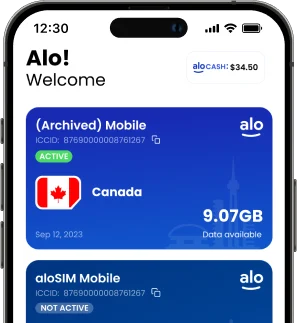
So what's the answer to staying connected while still travelling sustainably? The answer is using a travel eSIM.
An eSIM enables you to download a travel data plan directly to your device, eliminating the need to purchase physical a physical SIM card.
Regional eSIM plans enable you to stay connected across multiple destinations with the same eSIM. No plastic packaging, no physical card, and no unnecessary waste. An easy and sustainable travel swap that also saves you money.
Sustainable travel checklist
Before you go:
- Book with a local host or locally-owned hotel
- Pack your waterbottle, totebag, and travel coffee mug
- Download your aloSIM eSIM
- Research eco-certifications at your accommodation and for planned activities
- Find applicable train travel options
While you're there:
- Hire local guides
- Eat at local restaurants
- Buy souvenirs from artisans
- Slow down, stay longer, go deeper, see less
After your trip:
- Leave reviews for the local businesses you patronized and loved
- Explore carbon offsetting
- Revisit what worked. Sustainable travel grows through conversation amongst the travel community



![6a9019465086f-6a8efddfbac81-brand-facebook[1]](https://alosim.com/wp-content/uploads/2026/08/6a9019465086f-6a8efddfbac81-brand-facebook1.svg)
![6a90195622cc4-6a8efdf8d29e7-Frame[1]](https://alosim.com/wp-content/uploads/2026/08/6a90195622cc4-6a8efdf8d29e7-Frame1.svg)
![6a90196c10248-6a8efe332cedf-brand-linkedin[1]](https://alosim.com/wp-content/uploads/2026/08/6a90196c10248-6a8efe332cedf-brand-linkedin1.svg)