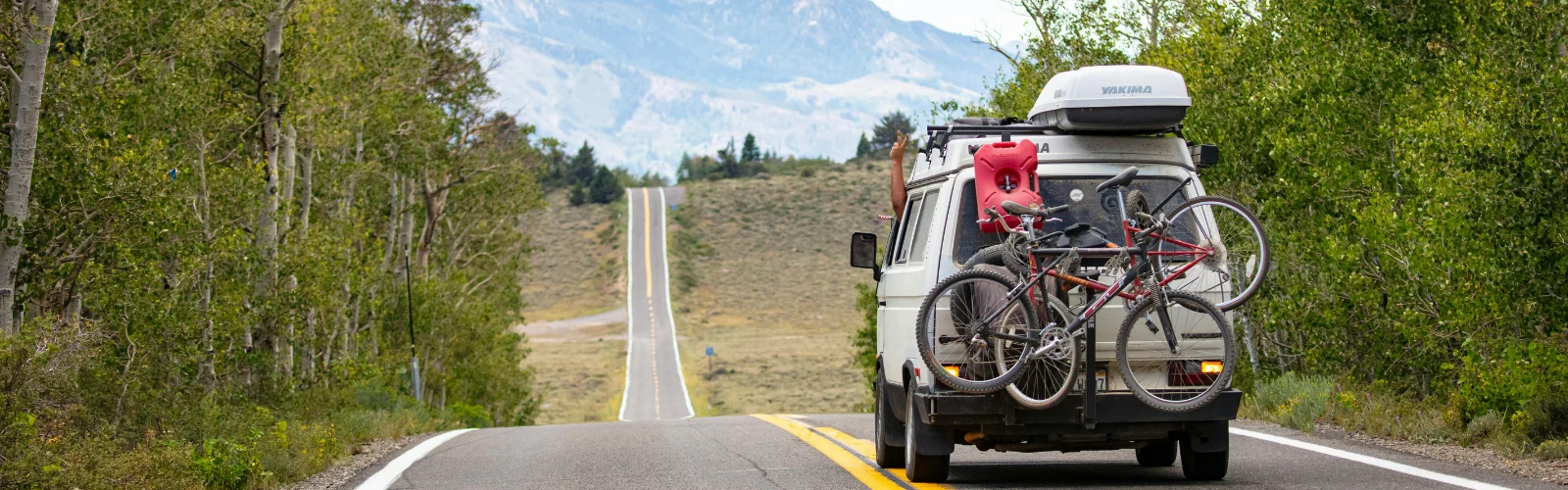


A grey nomad is an older individual, such as a retiree, who is often in their 60s or beyond and embraces a lifestyle of freedom and travel.
Traditionally, a grey nomad might have meant caravanning across Australia, but these days it’s more encompassing of anyone who takes their sense of adventure abroad.
Beyond the Australian outback and into the train stations of Europe, an American road trip, or a scuba excursion in South American, grey nomads thrive on experiences over possessions.
Here’s a look at the lifestyle and how to stretch a retirement budget to travel further for less.
Budgeting tips for grey nomads
Here are a few budgeting tips you can use as a grey nomad to save money on the road.
Tip #1: Find creative ways to make every dollar count
The most obvious key to a long-term travel lifestyle is knowing how to make every dollar count. If you’re okay with skipping an occasional luxury, explore low-cost hostels or campsites (or travel with the convenience of an RV).
Housesitting or home exchanges are another way to save on lodging.
Hone your cooking skills and prepare your own meals, travel during the shoulder season, and sign up for loyalty programs that offer worthwhile perks.
Tip #2: Look for ways to bring in passive income
Think of ways a little outside the box to bring in passive income.
If you have a vehicle that’s going to be sitting at home while you hit the road, consider renting it out on platforms like Turo or Getaround.
You can also do the same for your home. Consider listing your apartment or house for temporary, short-term stays on platforms like Airbnb or VRBO. These can help you to bring in passive income while you hit the road.
Tip #3: Use cashback apps and look for senior discounts
Use cashback apps to get a little money back with certain purchases. While they may be small, the rewards can add up over time. When on the go, look for senior discounts that might be offered on public transport, including rail networks across Europe and Asia.
Grey nomad gear and tech essentials
While it might cost a bit off the front end of your trip, investing in reliable gear can make your life on the road smoother.
A simple, lightweight but durable travel backpack, quality portable power banks, a medication organizer, and a set of compact cooking equipment are all staples.
To save a few extra dollars, consider looking for reliable gear on places like Facebook Marketplace, eBay, or Kijiji. There, you can often find items from highly sought after brands that are lightly used for a discounted price.
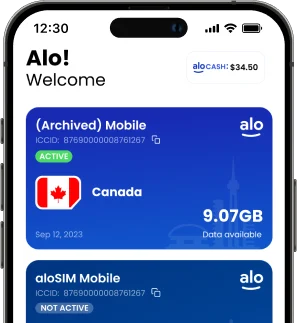
For seamless internet access while on the road, an eSIM is a great way to get affordable mobile data. An aloSIM eSIM plan is easy-to-set-up and use, plus it eliminates roaming fees and the inconvenience of fumbling with foreign SIM cards.
Overseas travel for first-timers
While many grey nomads might categorize themselves as seasoned domestic travellers, there still might be a sense of hesitation about heading overseas.
In this case, start simple: Keep to English-speaking countries like New Zealand, the UK, or Canada, which can ease the transition. Carefully research each destination’s visa requirements early, and always keep digital and paper copies of important documents, including passports and travel insurance.
Try to learn a few basic phrases in the native language if heading somewhere non-English-speaking (think: asking for restaurants, transit, washrooms, etc.), which goes a long way in connecting with locals.
For communication, apps like WhatsApp or your email can be effective and helpful tools, but a local data connection is what is truly essential for navigation, translation apps, and emergency access to any online services you might need.
You can also use eSIM apps like aloSIM to snag affordable data plans before you even arrive at your destination, ensuring you’re connected from the moment you hit the ground.
Living the grey nomad dream
Ultimately, many will find that the goal of embracing the grey nomad life is all about trading routine for discovery. Many grey nomads thrive by embracing their flexibility; by taking the slower train, stopping to chat with locals, and going out of their way to explore off-the-beaten-path towns.
From cultural cruising through Europe, soaking in the sun Southeast Asia, or road-tripping across North America, planning carefully while staying adaptable ensures the nomadic lifestyle is rewarding.
So pack thoughtfully, plan thoroughly, and remember: adventure doesn’t retire just because you do.