

Feel like heading on an adventure? If you’re up to travel as far away as you can get, it’s time to plan the trip of a lifetime and travel to Australia. A few long-haul flights, a flipped seasonal calendar, and unfamiliar wildlife are all in store for you.
Before you start to let excitement take over, take a deep breath and consider a few factors that will help make everything go as smoothly as can be.
Flight times for travel to Australia
First, let’s address the journey to the land down under. Flights from North America to Australia are lengthy.
If you leave from the west coast, it might be 14 hours minimum to arrive in Sydney or Melbourne. Leaving from a central or eastern destination could add up to 20 hours or more, often with additional layovers.
Get yourself a good book and load your device with your favourite shows and podcasts.
On arrival, it will take some time to overcome jet lag and adjust to the significant time difference. Try to plan a day to rest and recover before jumping into more exciting activities.
Understanding Australia’s seasons
Your next planning priority is to account for the seasons. To put it simply, Australia is essentially the reverse of North America — though you can count on winter being cool and summer being hot.
December to February are the best for beach weather, though September to November invites spring visitors with fewer crowds. March to May is a pleasant fall season as well.
Budgeting for travel to Australia
Consider your budget when accounting for travel to Australia. Most would agree that Australia is a more expensive destination than you might have expected.
When it comes to conversion rates, exchange rates with the Australian dollar fluctuate, so it helps to incorporate a cushion into your budget.
1 USD is typically worth between $1.40 – $1.45 AUD. For Canadians, 1 CAD on average is worth roughly between $1 – $1.05 AUD.
North American travellers might be surprised that the prices for food, transportation, and accommodations are higher than they’re used to paying at other destinations.
It’s good to note that tips aren’t mandatory or expected in the same way as you would find in the USA and Canada, so that will offset dining costs slightly.
While tipping 15-20% is standard in the USA and Canada, in Australia, a 10% tip is standard for good service. Due to Australia’s high minimum wage, tipping is typically reserved for exceptional service.
Australian wildlife
Animal lovers will want to include considerations for local wildlife.
If you’re hoping to encounter the local wildlife beyond unusual birds and spiders, then make sure you plan to venture beyond major cities to coastal and rural regions. Kangaroos, wallabies, and unfamiliar insects (including pesky mosquitoes and flies, unfortunately) are more likely in these areas.
Pack a hat, a breezy neck covering, and some repellent, and be aware of your surroundings to be sure to spot the critters you want to see, and avoid the ones you don’t.
Staying connected on the go in Australia
Whether you plan to hit the beach or explore the unique infrastructure of larger cities, it’s a good idea to arrive equipped with reliable travel data.
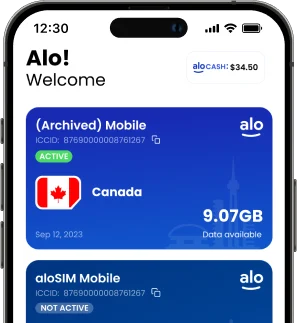
For navigation, bookings, and keeping in touch with friends back home, an Australia eSIM is not only useful, but will save you time searching for a local SIM card when you land. You can install your Australia eSIM before you land, and you’ll have instant access to mobile data when you land.
With a solid plan and the right expectations, Australia will be an unforgettable adventure well worth the journey!